Educational content only. This website provides general information about food and everyday nutrition. It does not offer medical advice, diagnoses, or treatment recommendations. We do not sell vitamin supplements or any products. Always consult a qualified professional for personal dietary guidance.

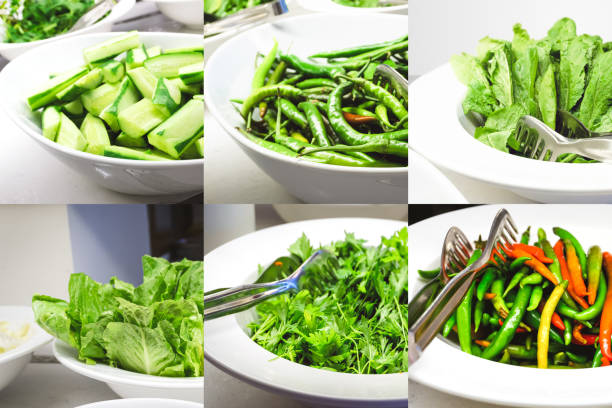
Fresh seasonal vegetables and herbs arranged on a wooden table
Vaasa, Finland — 2026

Learn About Natural Vitamins from Food

This is an independent educational website about getting vitamins from everyday whole foods. We share practical kitchen tips, seasonal eating ideas, and recipe inspiration for readers in Finland and beyond. We do not sell supplements or make health outcome promises.

Whole Food Sources

Learn which everyday ingredients deliver the vitamins your body needs most.

Plant Power

Discover leafy greens, herbs, and Nordic vegetables rich in natural compounds.

Practical Guides

Follow simple salad recipes and seasonal eating tips you can use today.

Why Natural Vitamins Matter in Everyday Life

Vitamins found in whole foods arrive alongside fibre, minerals, and plant compounds that work together. That synergy is something isolated pills rarely replicate.

Food First, Always

When you bite into a carrot, you receive beta-carotene alongside potassium and dietary fibre in a single whole food. Your digestive system breaks these down gradually as you chew and digest. Nutrition experts generally agree that eating a varied range of vegetables and fruits is a practical way to include different vitamins in your daily meals, compared with relying on heavily processed foods alone.

Finnish dietary traditions already lean toward this philosophy. Think of the classic mixed salad with grated beetroot, or a bowl of bilberry soup in late summer. These are not trends; they are generations of wisdom about eating what the land offers when it is at its peak. Building your weekly menu around seasonal produce from local markets in Vaasa or your nearest grocery store is one of the simplest ways to increase your natural vitamin intake without overthinking it.

Start by adding one extra colour to your plate each day. Red peppers for vitamin C, dark spinach for folate, orange sweet potato for vitamin A precursors. Small, consistent changes compound over weeks and months into a genuinely nutrient-dense eating pattern.

Assorted fresh vegetables including peppers and leafy greens

Essential Vitamins You Can Get from Everyday Foods

Each vitamin plays a distinct role in keeping your body functioning smoothly. Here is where to find the most important ones on your regular shopping list.

Vitamin A & Beta-Carotene

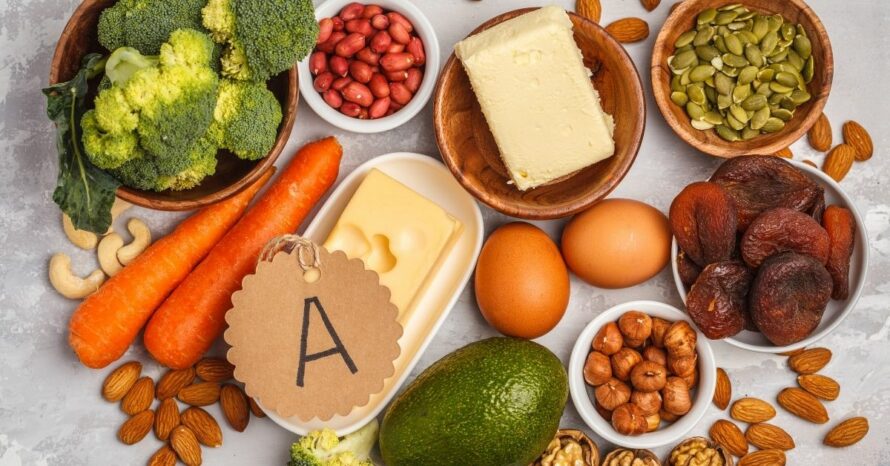
Sweet potatoes, carrots, pumpkin, and kale are common sources. Beta-carotene is a plant pigment that the body can convert into vitamin A. A medium baked sweet potato can contribute a significant portion of daily vitamin A intake. Roasting root vegetables with a drizzle of olive oil may help with absorption because vitamin A is fat-soluble.

Vitamin C

Beyond oranges, look to bell peppers, broccoli, strawberries, and Finnish cloudberries. One red pepper can contain more vitamin C by weight than a medium orange. Vitamin C is commonly found in fresh produce and is often consumed through fruits and vegetables as part of a balanced diet. Pepper strips with hummus make a simple afternoon snack.

B Vitamins

Whole grains, legumes, eggs, and nutritional yeast cover much of the B-complex spectrum. Folate from spinach and lentils is a B vitamin found in many everyday foods. B12 is found mainly in animal products, so fortified plant milks and cereals are common options for plant-forward diets. A bowl of oatmeal topped with ground flaxseed is a simple breakfast that includes several B vitamins.

Vitamin D

Nordic winters make food sources particularly relevant. Fatty fish like salmon and herring, egg yolks, and fortified dairy or oat milk contribute meaningfully. Mushrooms exposed to sunlight also synthesise vitamin D. Including oily fish twice a week during darker months is a practical habit many Finnish families already follow.

Vitamin E

Almonds, sunflower seeds, avocado, and wheat germ oil contain vitamin E, an antioxidant vitamin. A handful of sunflower seeds sprinkled over a salad adds crunch and variety. Store nuts in a cool place to keep the fats fresh.

Vitamin K

Leafy greens dominate here: kale, spinach, parsley, and Brussels sprouts. Vitamin K is naturally present in many green vegetables. Steaming greens lightly rather than boiling them for long periods can help retain more of their vitamin content. A side of sautéed kale with garlic pairs well with many main courses.

Finnish Seasons and Your Vitamin Plate

Eating with the seasons means your food travels less, costs less, and often tastes better while delivering peak nutrient density.

From Summer Berries to Winter Roots

Finland's short but intense growing season produces vegetables and berries with remarkable flavour and nutritional concentration. In June and July, market stalls in Vaasa overflow with new potatoes, fresh peas, and wild herbs like nettle and dandelion greens. These tender young plants are packed with folate, vitamin C, and chlorophyll.

Autumn brings root vegetables: beetroot, turnips, parsnips, and carrots stored naturally for winter use. Root vegetables develop higher sugar content as temperatures drop, making them both satisfying and rich in beta-carotene. Fermented foods like sauerkraut, traditional in Nordic kitchens, add vitamin C and beneficial bacteria to winter meals.

Planning a seasonal calendar for your kitchen does not require perfection. Even shifting two or three staple ingredients each season creates variety that keeps meals interesting and your nutrient intake broad. Visit a local farmers market, note what is abundant, and build your weekly menu around those items.

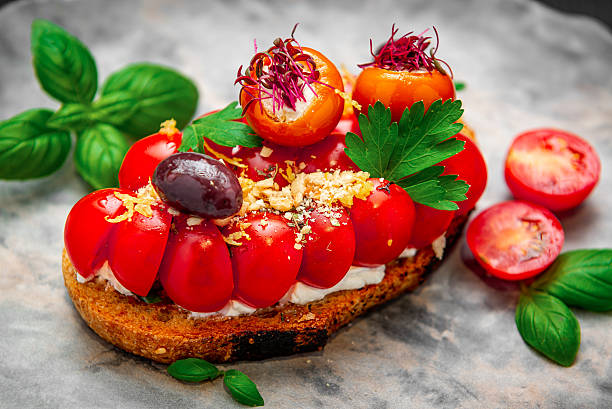
Seasonal root vegetables and berries on a rustic surface
13
Essential Vitamins
50+
Plant Food Sources
4
Finnish Seasons
5
Salad Recipes

Vegetables and Herbs Worth Knowing

Some plants punch well above their weight when it comes to vitamin content. These are the ones worth keeping in regular rotation.

Full Plant Guide

Colourful Salads Packed with Natural Goodness

These simple combinations turn everyday ingredients into meals that look as good as they taste.

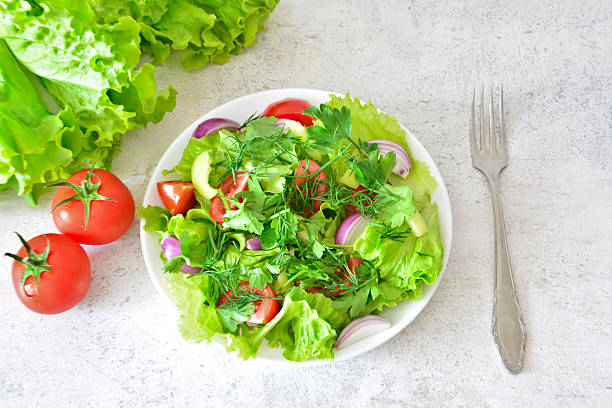
Vibrant salad bowl with mixed greens and vegetables

Building a Vitamin-Rich Salad

A well-built salad is one of the easiest ways to combine multiple vitamin sources in a single bowl. Start with a base of mixed greens for vitamins A, C, and K. Add a rainbow of chopped vegetables: shredded carrot for beta-carotene, red cabbage for anthocyanins, and cherry tomatoes for lycopene and vitamin C.

Include a protein element like chickpeas or grilled salmon to make the meal satisfying and to help absorb fat-soluble vitamins. Finish with a dressing made from extra virgin olive oil, lemon juice, and a touch of honey or mustard. The healthy fats in olive oil significantly improve the uptake of carotenoids from raw vegetables.

Our dedicated recipes page features five complete salad ideas, from a Nordic root vegetable slaw to a berry-and-spinach summer bowl. Each recipe lists the key vitamins present and offers substitution tips for seasonal availability.

See All Recipes

Safe Food Practices

Practical habits for preparing, storing, and enjoying fresh produce safely at home.

Recommended Practices

  • Wash all fresh produce thoroughly under running water before eating or cooking.
  • Store leafy greens in the refrigerator and use within three to five days for best quality.
  • Vary your vegetable choices weekly to cover a broad range of vitamins and minerals.
  • Speak with a registered dietitian or other qualified professional for advice tailored to your personal situation.
  • Introduce new foods gradually if you have known sensitivities or allergies.

Important Reminders

  • Do not use this website as a substitute for professional medical or dietary guidance.
  • Do not treat any content here as a promise of specific physical results.
  • Avoid consuming wild plants unless you are confident in correct identification.
  • Do not exceed recommended daily intakes of vitamin supplements without professional advice.
  • Discard produce that shows signs of mould, unusual odour, or slimy texture.
  • Never rely solely on online information when making significant dietary changes.

Events Calendar 2026

Mark these dates to connect with local food culture and seasonal nutrition in Finland.

15
March 2026

Spring Greens Workshop

Learn to identify and prepare early nettle, dandelion, and wild garlic at Vaasa Community Centre.

22
June 2026

Midsummer Market

Seasonal produce fair featuring local farmers, fresh berries, and new potato tastings.

10
August 2026

Berry Harvest Day

Guided foraging walk and smoothie demonstration using bilberries and lingonberries.

05
October 2026

Root Vegetable Festival

Cooking demos focused on beetroot, parsnip, and carrot dishes for autumn menus.

Frequently Asked Questions

Clear answers to common questions about getting vitamins from natural food sources.

Most people can include a wide range of vitamins through a varied, balanced diet with fruits, vegetables, whole grains, legumes, and appropriate animal or fortified plant products. In Nordic countries, vitamin D from food and sunlight may deserve extra attention during darker months. Individual needs differ, so personalised guidance from a qualified professional is recommended when in doubt.

Some vitamins, particularly vitamin C and certain B vitamins, are sensitive to heat and water. Steaming or stir-frying preserves more nutrients than boiling. However, cooking can also increase the availability of other compounds, such as lycopene in tomatoes and beta-carotene in carrots. A mix of raw and lightly cooked vegetables gives you the best of both worlds.

Frozen vegetables are typically harvested at peak ripeness and flash-frozen within hours, which locks in most vitamins. In some cases, frozen produce may retain more vitamin C than fresh vegetables that have spent days in transport and storage. Keeping a variety of frozen greens and berries on hand is a practical strategy for Finnish households year-round.

General dietary guidelines suggest at least five portions of fruits and vegetables combined per day, with an emphasis on vegetables. A portion is roughly a handful. Spreading intake across meals, rather than eating all portions at dinner, helps maintain steadier nutrient absorption throughout the day.

Who We Are and How We Write

Clear information about the purpose, ownership, and limits of this website.

Independent Publisher

Wildernessfresh.ddd is operated from Wolffintie 36, 65200 Vaasa, Finland. We are an independent editorial project focused on everyday whole-food nutrition. We are not a clinic, pharmacy, supplement brand, or affiliated with any medical institution.

Editorial Purpose

Our articles explain which vitamins are found in common foods, how to prepare simple meals, and how Finnish seasonal eating can add variety to your plate. Content is written for general education only and is reviewed to avoid medical claims, product promotion, and exaggerated promises.

No Products for Sale

We do not sell vitamins, supplements, meal plans, or any physical goods through this website. The contact form is for general questions and feedback only. Any future advertising displayed on this site does not mean we endorse the advertised products or services.